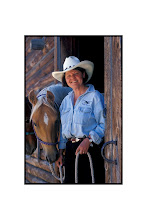
Welcomed, Autism and All.
June of 2006
Joan Gilb of Tucson, Arizona, writes:
I’m sure everyone with a child of the spectrum knows how challenging vacations can be. My husband and I have opted for vacations with our son separately, as this seems to work best given his needs, plus it gives one of us some well needed respite.
This spring after a full year of home schooling, I decided to celebrate our success with a vacation I thought both my son and I could enjoy. We loaded up our mini-van and left Arizona bound for Montana. I chose Montana as our destination because I needed a big “carrot” to motivate and make this exciting for my son. For us, Montana is “big carrot” country as dinosaurs happen to be my son’s obsession, and Montana offers many museums and archeological sites. I also knew that I could find many dino museums along the way to keep each day exciting as well.
Now, what to do once we got to Montana besides dino museums? I chose a Montana Bunkhouses Working Ranch Vacations. Montana Bunkhouses are working ranches that only take one family at a time. I thought this would help ensure the environment was not only safe but manageable for our special needs. It was my hope that a working ranch vacation might help expand my son’s interests. If all failed I knew we could at least spend our time on the ranch digging with the hope of finding a fossil!
The ranch family welcomed us, autism and all, and we chose a ranch that seemed to offer the widest range of activities in hopes that one may spark the interest of my son. But ranchers and autism? Could this possibly work? Would they expect my son to “cowboy up” when he screams over the sight of an ant? Would they have even a clue how to elicit conversation from him? Would I be able to find a moment of peace or would this be the vacation from you know where?
You’ve all been there. You know the fear I felt--the reluctance to let go and accept whatever the outcome. Accept the unpredictable nature of a vacation with autism. Accept the possibility of not being accepted.
What I failed to realize when choosing this vacation was that ranchers are skilled in reading and reacting to animal behavior. From their cattle to their sheep to their working dogs these folks live animal behavior. They’re not just about herding and roping and branding. They are about observing and understanding what an animal will do next, which way it will turn, whether it will run or stand still. They have honed these skills for their own survival. And how beautifully these skills can apply to a child with autism. Our host rancher has what we all know in the autism world as the “it factor”. He got it. He seemed to intuitively understand how to elicit the response or reaction he sought.
Needless to say, we had the best vacation ever! I was able to relax and revel in the joy of watching my son. Our ranch host , who we called Rancher Rick, (Rick Jarrett of Crazy Mountain Cattle Company) intuitively knew how to control the tempo and never missed a beat! My son rode on a horse and an ATV, helped irrigate fields, helped dig trenches with the tractor to name just a few activities. It is such a rare and wonderful feeling for me when someone takes a sincere and active interest in my child. Rancher Rick and my son truly enjoyed one another.
The ranch experience was a cathartic one for me. It afforded me the opportunity to sit back and reflect on the remarkable progress my son has made. I think it was when we were all herding sheep that it came to me. This scene and my participation was the physical manifestation, a snapshot so to speak, of my life since having a child. I am a shepherdess, guiding my little lamb to greener pastures. In doing so I’ve found myself in greener pastures as well.
Monday, June 12, 2006
Thursday, June 1, 2006
Irrigating in Drought Years
Irrigating in Drought Years
We appreciate Rascal-dog and his antics. He comes on high at the first sound of the 4-wheeler. He believes it is his job to chase the birds and clear the way down the lane and over to the pasture where we are flood irrigating. By the time we get there he is frothing at the mouth from excitement and saliva plasters on his face and neck. He makes a beeline across the set leaving a rooster tail of water in his wake.
While it is not a matter of public record, we choose to believe our forefathers all had dogs with personality. The first generation came trailing thousands of cattle Lonesome-Dove-style from Texas and settling on creeks that are named after them. Reportedly the first to plant alfalfa in the county, our great grandparents had aspirations for sustainable agriculture. Generations that followed have split up and also added to the ranch to make room for their sons and daughters.
Now we are the ones continually watching the level of snow pack in the Crazy Mountains. A good water right is the life blood of a good ranch, irrigating not only pasture but also hay the lands. A water right filed in 1908 doesn’t even count. All of the first rights were filed in the 1800s. First in right, first in time. That’s why the lowest on the creek drainage usually has the first right because it was settled first. And the first permanent settler in Sweet Grass County made his stand on Duck Creek. In the late 1800’s the early settlers dug irrigation ditches by hand and by horse. It took diligence and persistence and knowledge. You have to admire them for their willingness to do the back breaking work.
Even now a lot of what we do in Montana summers is get ready for Montana winters. We hope to get one spring irrigation on pastures before we put the water on the hayfields. Some of the land is not really intended to be irrigated--never leveled or cultivated--but the native grasses really respond to water. Yielding early spring feed for the calves (before they go to the mountains for the summer,) and with any luck, fall pasture for the sheep after the lambs are weaned.
The focus is now on the alfalfa fields. With limited spring run off, the May “high water” mark in the creek was already down to what we would normally see in August . The wheel lines are operational but the seal is broken on the filter for the center pivot. Rick is trying to get it running but things don’t always match up--have to go back for parts. Lots of mainline to put together. Time is money and every drop of water counts.
Mother Nature and politics are beyond our control and it is wreaking havoc on our state of mind. It is hard to put a brave face on the drought this many years in to it. Depending on where we live in Montana we are facing the 5th, 6th, or even 7th year of drought. It is like Mother Nature turned her back on us after the hundred-year floods of 96 and 97. Some Montana counties have already been designated emergency drought areas due to below normal precipitation. It kinda takes the starch out of you--that and the volatility in the cattle market due to mad cow disease. Will the borders be open or closed? Will Japan allow us to export? There is so much beyond our control that it is making ranchers afraid to make decisions about selling or buying cattle and about stocking rates in general.
Rick’s usually happy go-lucky character is pretty darn serious these days. After years of problem solving his way through ranching, he says he is losing his starch. It will be a wicked fire season if this low moisture continues, not to mention what the lack of irrigation water will mean. He states simply, “Know the road, but don’t see the end.”
We appreciate Rascal-dog and his antics. He comes on high at the first sound of the 4-wheeler. He believes it is his job to chase the birds and clear the way down the lane and over to the pasture where we are flood irrigating. By the time we get there he is frothing at the mouth from excitement and saliva plasters on his face and neck. He makes a beeline across the set leaving a rooster tail of water in his wake.
While it is not a matter of public record, we choose to believe our forefathers all had dogs with personality. The first generation came trailing thousands of cattle Lonesome-Dove-style from Texas and settling on creeks that are named after them. Reportedly the first to plant alfalfa in the county, our great grandparents had aspirations for sustainable agriculture. Generations that followed have split up and also added to the ranch to make room for their sons and daughters.
Now we are the ones continually watching the level of snow pack in the Crazy Mountains. A good water right is the life blood of a good ranch, irrigating not only pasture but also hay the lands. A water right filed in 1908 doesn’t even count. All of the first rights were filed in the 1800s. First in right, first in time. That’s why the lowest on the creek drainage usually has the first right because it was settled first. And the first permanent settler in Sweet Grass County made his stand on Duck Creek. In the late 1800’s the early settlers dug irrigation ditches by hand and by horse. It took diligence and persistence and knowledge. You have to admire them for their willingness to do the back breaking work.
Even now a lot of what we do in Montana summers is get ready for Montana winters. We hope to get one spring irrigation on pastures before we put the water on the hayfields. Some of the land is not really intended to be irrigated--never leveled or cultivated--but the native grasses really respond to water. Yielding early spring feed for the calves (before they go to the mountains for the summer,) and with any luck, fall pasture for the sheep after the lambs are weaned.
The focus is now on the alfalfa fields. With limited spring run off, the May “high water” mark in the creek was already down to what we would normally see in August . The wheel lines are operational but the seal is broken on the filter for the center pivot. Rick is trying to get it running but things don’t always match up--have to go back for parts. Lots of mainline to put together. Time is money and every drop of water counts.
Mother Nature and politics are beyond our control and it is wreaking havoc on our state of mind. It is hard to put a brave face on the drought this many years in to it. Depending on where we live in Montana we are facing the 5th, 6th, or even 7th year of drought. It is like Mother Nature turned her back on us after the hundred-year floods of 96 and 97. Some Montana counties have already been designated emergency drought areas due to below normal precipitation. It kinda takes the starch out of you--that and the volatility in the cattle market due to mad cow disease. Will the borders be open or closed? Will Japan allow us to export? There is so much beyond our control that it is making ranchers afraid to make decisions about selling or buying cattle and about stocking rates in general.
Rick’s usually happy go-lucky character is pretty darn serious these days. After years of problem solving his way through ranching, he says he is losing his starch. It will be a wicked fire season if this low moisture continues, not to mention what the lack of irrigation water will mean. He states simply, “Know the road, but don’t see the end.”

Monday, April 10, 2006
Rancher-Farmer and His Dog
The Rancher/Farmer's Dog
According to Rick, real farmers go south for the winter…while ranchers “give it a go” twelve months out of the year. Another way to tell the difference is the age and general condition of the tractor they are driving. A rancher’s tractor is not as nice and darn lucky just to have a cab. Rick ought to know…for the last few days he has been turning the ground black. A new way to plow snow he reports laughingly from his vantage point. He is playing rancher-farmer today on his March birthday as he edges further in to the second half of his century, celebrating by making furrows in the light sprinkle of snow.
Annually on a six or seven year rotation, farmers rest a portion of their alfalfa fields, till up the seed bed for a nurse crop of hay barley, control the weeds and then plant it back to a high yield mix of grass and alfalfa. It is a challenge to find time for farming in Montana because Springtime is fickle and sometimes Winter seems to melt into Summer with only a small window for tilling. Calving comes first and then lambing. Irrigating comes on the heels of lambing. Temperatures have been in the 40’s and 50’s these past few spring days and there is a forecast for the weather to turn nasty by the weekend. Rick fired up the John Deere. It is pulling hard and sucking fuel.
Our Border Collie Rascal is dashing to and fro along the edges of the field. The hawks are flying so high it is hard at first to make the connection between their soaring and his behavior. Rascal needs psychotherapy or a set of wings! But he is not so intent on bird watching that he does not notice when Rick powers down and pulls over to check the cows or makes his way to the barn to assist a heifer giving birth.
Last night when Rick pulled the tractor to the edge of the field and shut her down, Rascal knew it was time to put the sheep in the barn. Some times working and playing are the same thing on the ranch. And when it comes to putting the sheep in the barn, with Rascal on hand, it is playing. He covers all the bases. He does not “wrassle” or hassle them…he just puts them in the shed. He is such an interesting mutt. Whether he is trying to fly like a bird or playing hide and seek, he is an entertainer.
According to Rick, real farmers go south for the winter…while ranchers “give it a go” twelve months out of the year. Another way to tell the difference is the age and general condition of the tractor they are driving. A rancher’s tractor is not as nice and darn lucky just to have a cab. Rick ought to know…for the last few days he has been turning the ground black. A new way to plow snow he reports laughingly from his vantage point. He is playing rancher-farmer today on his March birthday as he edges further in to the second half of his century, celebrating by making furrows in the light sprinkle of snow.
Annually on a six or seven year rotation, farmers rest a portion of their alfalfa fields, till up the seed bed for a nurse crop of hay barley, control the weeds and then plant it back to a high yield mix of grass and alfalfa. It is a challenge to find time for farming in Montana because Springtime is fickle and sometimes Winter seems to melt into Summer with only a small window for tilling. Calving comes first and then lambing. Irrigating comes on the heels of lambing. Temperatures have been in the 40’s and 50’s these past few spring days and there is a forecast for the weather to turn nasty by the weekend. Rick fired up the John Deere. It is pulling hard and sucking fuel.
Our Border Collie Rascal is dashing to and fro along the edges of the field. The hawks are flying so high it is hard at first to make the connection between their soaring and his behavior. Rascal needs psychotherapy or a set of wings! But he is not so intent on bird watching that he does not notice when Rick powers down and pulls over to check the cows or makes his way to the barn to assist a heifer giving birth.
Last night when Rick pulled the tractor to the edge of the field and shut her down, Rascal knew it was time to put the sheep in the barn. Some times working and playing are the same thing on the ranch. And when it comes to putting the sheep in the barn, with Rascal on hand, it is playing. He covers all the bases. He does not “wrassle” or hassle them…he just puts them in the shed. He is such an interesting mutt. Whether he is trying to fly like a bird or playing hide and seek, he is an entertainer.
Thursday, March 2, 2006
Shearing of the Sheep
Shearing of the Sheep
“Let me help Gramps!” shouts grandsons Jess and Cole as they crawl over the fence. They revel in pushing the sheep down the alley to the shearers, and they are darn good help. They work hard and they know what to do. Ranching has always been a way of life for these 5 and 6 year old boys. They’ve been wrestling sheep since before they learned to tie their shoes. They’ve learned how to read the sheep. They know how the sheep is going to react and they know how to position themselves. If a sheep goes in a corner, eventually it is going to come out and as Jess says “you’re gonna get nailed if you don’t move!” It is fun to watch them learn. It lays the foundation for an understanding of animal behavior that will help to keep them safe should they have the opportunity to pursue their lifetime goal of becoming ranchers.
It took the shearing crew of 6 men just three hours to shear our 250 sheep yesterday. The shearers get paid by the number of sheep they shear and bucks count twice (triple if they have horns.) We have 9 bucks so our tally was 259. Over supper the men commented that they thought our ewes were pretty big for Targhee ewes. It was the end of the day and they had already sheared two other flocks that day. Maybe that had something to do with it!
Rick recalls one year when it took 30 days to shear his dad’s 1800 sheep because it rained every day. It was the year he was a freshman in high school. They were shearing in a remote area on a creek named for his great grandfather who homesteaded in Sweet Grass County just across the river from what is now the home place. The homestead was primitive. No water, no electricity. They would haul water from the creek and clean the place up the best they could and then Rick’s mom, Betty, would set about to cook for the crew of men. It was standard to provide American crews all their meals and coffee breaks.
The shearers would arrive early in June and set up their shearing plant run on a gas operated generator. Rick and his father, Robert Jarrett, would get up at 4:00 A.M. and sort all the lambs from the ewes. There was a little shed up there that would only hold about 100 sheep. Montana’s sheep shearers belong to a union and they would not start until 8:00 am and by that time it would be raining again. They would shear the little bunch in the shed and the others outside would be too wet so Rick and his dad would get up the next day and try all over. They would run the sheep through chute again and sort off the lambs. It was a lot of work. It did not just happen. But they had no choice. When sheared wet, sheep give off an ammonia smell that eats away at your lungs. Over a period of time it destroys the protective lining of your lungs and can cause what is called “shearers pneumonia.”
The fleeces were tied and tromped into big wool sacks, 30 to a sack. The corral was down in a draw so they’d roll the wool sacks on big poles to keep them out of the mud. They’d tarp the sacks every day to keep them dry. It took a 40 foot semi-truck to haul the wool and they transported the 50 or 60 sacks to the wool house in Big Timber when the shearing was done. Rick remembers pulling the sheep wagon across the creek after all that rain and before he made it to the other side there was water coming in through the floor boards of his truck.
Everything was wet and muddy and it was tough trying to feed a dozen men under those conditions…no refrigerator or electricity. Had to do chores at the home place and then travel the 15 miles up to the sheep camp every day to feed the dozen or so men. Six shearers, a tier and a tromper as well as a man branding sheep and three or four guys pushing the sheep to keep the same numbers in each pen. The rain was troublesome …but there was green grass and there was water that year. It was glorious!
After years of feeding a crew in these primitive conditions, Betty Jarrett said that was enough of that. The next year Crazy Mountain Sheep Company hired a Mexican crew to shear sheep. The Mexican crew came with their own cook and they did their own tieing and tromping so it required very little additional labor. They’d pull in to sheep camp and within 15 minutes they would have killed a sheep, skinned it and thrown it up on the hood of the old bus to age. They would kill a mutton every couple of days while they were working and that is what they ate.
There were no designated mealtimes; the cook would have tacos or a stew simmering on the campfire at all hours of the day. The machines never stopped. When a shearer went to take a break, somebody else would take his place. They would shear as fast as they could because they got paid by the head. And they would often get rough by the end of the day when they started getting tired. Making a suggestion that they take more care would simply get them on the fight. So Bobby would mention it once and if they did not slow down he would simply open the gates and let the sheep out. They pretty much figured out that they had to be careful if there were going to shear for Jarretts.
In the 1920’s and 30’s and 40’s Big Timber, Montana, was known as The Wool Capital of the World. The sheep industry was still in its heyday when our parents were alive, but those days are long ago and far away. Now the sheep numbers are in decline after years of low commodity prices and predators. Consequently we see the demise of the infrastructure of the sheep industry in the United States. Slowly there are fewer crews available to shear and fewer slaughter houses and less American lamb sold in grocery stores. It is a vanishing way of life.
The sheep industry was a magnificent industry that is slowly dieing. It is important for our grandkids to be a part of this while they can…staying home from school to help with shearing. Ranch work helps kids define their work ethic and builds character. Yesterday the kids made a difference in the workload and they certainly made it more entertaining. They may be the last generation of kids to remember when there was an American sheep industry. We need to be sure they know the stories of their granddad and his forefathers…not only telling the old stories but making new ones where the kids play a role.
When you stop to think about it that way, you realize why story telling is so important. It is all about remembering and sharing the ranch family traditions.
“Let me help Gramps!” shouts grandsons Jess and Cole as they crawl over the fence. They revel in pushing the sheep down the alley to the shearers, and they are darn good help. They work hard and they know what to do. Ranching has always been a way of life for these 5 and 6 year old boys. They’ve been wrestling sheep since before they learned to tie their shoes. They’ve learned how to read the sheep. They know how the sheep is going to react and they know how to position themselves. If a sheep goes in a corner, eventually it is going to come out and as Jess says “you’re gonna get nailed if you don’t move!” It is fun to watch them learn. It lays the foundation for an understanding of animal behavior that will help to keep them safe should they have the opportunity to pursue their lifetime goal of becoming ranchers.
It took the shearing crew of 6 men just three hours to shear our 250 sheep yesterday. The shearers get paid by the number of sheep they shear and bucks count twice (triple if they have horns.) We have 9 bucks so our tally was 259. Over supper the men commented that they thought our ewes were pretty big for Targhee ewes. It was the end of the day and they had already sheared two other flocks that day. Maybe that had something to do with it!
Rick recalls one year when it took 30 days to shear his dad’s 1800 sheep because it rained every day. It was the year he was a freshman in high school. They were shearing in a remote area on a creek named for his great grandfather who homesteaded in Sweet Grass County just across the river from what is now the home place. The homestead was primitive. No water, no electricity. They would haul water from the creek and clean the place up the best they could and then Rick’s mom, Betty, would set about to cook for the crew of men. It was standard to provide American crews all their meals and coffee breaks.
The shearers would arrive early in June and set up their shearing plant run on a gas operated generator. Rick and his father, Robert Jarrett, would get up at 4:00 A.M. and sort all the lambs from the ewes. There was a little shed up there that would only hold about 100 sheep. Montana’s sheep shearers belong to a union and they would not start until 8:00 am and by that time it would be raining again. They would shear the little bunch in the shed and the others outside would be too wet so Rick and his dad would get up the next day and try all over. They would run the sheep through chute again and sort off the lambs. It was a lot of work. It did not just happen. But they had no choice. When sheared wet, sheep give off an ammonia smell that eats away at your lungs. Over a period of time it destroys the protective lining of your lungs and can cause what is called “shearers pneumonia.”
The fleeces were tied and tromped into big wool sacks, 30 to a sack. The corral was down in a draw so they’d roll the wool sacks on big poles to keep them out of the mud. They’d tarp the sacks every day to keep them dry. It took a 40 foot semi-truck to haul the wool and they transported the 50 or 60 sacks to the wool house in Big Timber when the shearing was done. Rick remembers pulling the sheep wagon across the creek after all that rain and before he made it to the other side there was water coming in through the floor boards of his truck.
Everything was wet and muddy and it was tough trying to feed a dozen men under those conditions…no refrigerator or electricity. Had to do chores at the home place and then travel the 15 miles up to the sheep camp every day to feed the dozen or so men. Six shearers, a tier and a tromper as well as a man branding sheep and three or four guys pushing the sheep to keep the same numbers in each pen. The rain was troublesome …but there was green grass and there was water that year. It was glorious!
After years of feeding a crew in these primitive conditions, Betty Jarrett said that was enough of that. The next year Crazy Mountain Sheep Company hired a Mexican crew to shear sheep. The Mexican crew came with their own cook and they did their own tieing and tromping so it required very little additional labor. They’d pull in to sheep camp and within 15 minutes they would have killed a sheep, skinned it and thrown it up on the hood of the old bus to age. They would kill a mutton every couple of days while they were working and that is what they ate.
There were no designated mealtimes; the cook would have tacos or a stew simmering on the campfire at all hours of the day. The machines never stopped. When a shearer went to take a break, somebody else would take his place. They would shear as fast as they could because they got paid by the head. And they would often get rough by the end of the day when they started getting tired. Making a suggestion that they take more care would simply get them on the fight. So Bobby would mention it once and if they did not slow down he would simply open the gates and let the sheep out. They pretty much figured out that they had to be careful if there were going to shear for Jarretts.
In the 1920’s and 30’s and 40’s Big Timber, Montana, was known as The Wool Capital of the World. The sheep industry was still in its heyday when our parents were alive, but those days are long ago and far away. Now the sheep numbers are in decline after years of low commodity prices and predators. Consequently we see the demise of the infrastructure of the sheep industry in the United States. Slowly there are fewer crews available to shear and fewer slaughter houses and less American lamb sold in grocery stores. It is a vanishing way of life.
The sheep industry was a magnificent industry that is slowly dieing. It is important for our grandkids to be a part of this while they can…staying home from school to help with shearing. Ranch work helps kids define their work ethic and builds character. Yesterday the kids made a difference in the workload and they certainly made it more entertaining. They may be the last generation of kids to remember when there was an American sheep industry. We need to be sure they know the stories of their granddad and his forefathers…not only telling the old stories but making new ones where the kids play a role.
When you stop to think about it that way, you realize why story telling is so important. It is all about remembering and sharing the ranch family traditions.
Sunday, December 11, 2005
The Sheepherder’s New Truck
The Sheepherder’s New Truck
There is a story brewing about Saundra and her grandpa’s Ford pickup. Something about turning 15, taking driver’s training and getting a learner’s permit has motivated her. She is interested in oil changes, carburetor workings, glass pack mufflers, cherry gear shift knobs and new seat covers. We tease that she is getting ready for a Montana double date…that means Saundra will drive with her Rascal-dog in the middle and her date on the other side. She smiled, that appeals to her.
Saundra’s Grandpa Alfred bought this pickup new in 1977 and it is still in good shape with low mileage. Only new pickup he ever bought. He was retired from sheep and cattle and ranching and his priority then was carpentering and fishing. Now thirty years later, the pickup is a classic and about to be spit polished. we wonder aloud how many calves it took to buy a new pickup in 1977.
And all this talking about Grandpa Alfred’s pickup was enough to prime the pump so to speak. Rick began to think about his dad’s 1962 Ford. It was also the only new pickup that his dad ever bought and he paid $4500 for it. That number is significant because it is the same amount of money that Grandpa Bobby had put into parts to repair his old International pickup in the previous three years. Every time they took the darn thing to sheep camp it would quit on them. Just like the old International truck with the rake tooth for a handle, you couldn’t depend on it.
Bobby Jarrett ordered his 1962 four wheel drive pickup with seventeen inch wheels and tires and that gave him 3-4 more inches of clearance in the snow. Rick’s eyes had a faraway look and the story began like this: That pickup had more clearance than any pickup in the world and my dad knew how to drive it. My dad makes me look like an old woman because he never got afraid. Yes, I learned from a master when it comes to driving in the hills. Why, when I was pretty little my dad had a Willys Jeep that looked like a pickup. One time we were going to sheep camp on a narrow road and the front wheel hit a big rock and we tipped over on our side. Crawled out from the upside driver’s window and looked over the edge and we could still see cans and groceries rolling way down the hill. Had we tipped all the way over and rolled, it would have probably killed us. We walked back to Springdale and my dad acted like nothing to it. Chances are we got a ride home and he went back the next day to right the outfit while I stayed home and cried because I always wanted to go along.
I loved to go to sheep camp and all the time I begged to drive. By the time I was eight years old I was driving to sheep camp with regularity. But more than the thrill of driving was the joy that came from being with my dad. There was nothing better than going with my dad to sheep camp and seeing the sheepherder and drinking coffee from a tin cup. I can still smell the coffee being made on the sheep wagon’s pot bellied stove, boiling with the grounds. They would pour me a cup and I’d sit and visit with them and they’d make me feel like a grown up, one of the guys. And if we were lucky, there would be salt mutton and we could eat lunch.
The sheep would stay up there in our mountain pasture until the end of January and the cattle did not come home until the first of March. Every day during January and February we’d go through Springdale and then drive the five miles up Mendenall Creek to the camp to feed hay. We’d drive those tippy little hillsides with a load of hay five bales high. Dennis was our hired man then. He is still alive and he can tell about those drives we made. One day we fell through a bridge. The front tires made it across but the back wheels were just hanging in the air. We had a jack and we just kept putting loose boards under the wheels and eventually we got across.
We bucked the sheep up there in November. Two thousand sheep with forty head of bucks. The sheep grazed on the open range during the day and there was too much country for the bucks to keep up with the ewes so the sheep would all be herded into the bucking corral in the evening. They would breed the ewes at night. There were bunks in the pasture and the herder would fill the bunks with grain for the ewes. Little feeders made in a “V” using two 1x6 boards. Musta been 30 or more. That was quite a job carrying oats from the granary all by hand with five gallon buckets. Then in the morning he would open the sixteen foot gate and stand with a stick to sort the ewes from the bucks. If a buck tried to get out the sheep herder would yell BUCK! And hit the buck on the head. After a week or so when the herder would stand at the gate and yell BUCK!...the bucks would sort themselves and stay back without so much as the swinging of a club. Oh, you should have been there for some of those days.
I remember one winter day my dad was driving up a steep hill side and the sheep had been trailing on that hill side so it was packed with ice. He had a ton of grain in the back for the sheepherder to feed to the sheep and the wheels lost traction and broke loose. We started sliding toward the coulee and I ask if we should jump and dad’s reply was “no we gotta see if we can save this pickup.” Some how we caught on a little piece of sage brush and were able to get stopped and put the chains on. It was always a game to see if you could get by without chaining up…but it was standard procedure to chain up all fours plus do a little shoveling when you went to sheep camp in snowy weather.
In later years after my dad died, I continued the tradition of hauling feed to the Mendenhall and Jarrett Creek pastures. (Named after my great great-grandparents who settled there.). We had 250 cows to feed and we had to get there every day in the winter. Some days snowdrifts would block the road so we would try to go up side hills to get around them. After Chinook winds, there would be a thaw and then things would freeze up again and be slippery as heck. Every day was an adventure.
Just though the gate and across the bridge it was good topsoil and not much rock so it would get deep ruts toward spring. The ruts would fill with snow and then ice. It would be muddy everywhere else so I would drive up the rut. That road winds on a gentle climb for about a quarter of a mile before it turns into a steep son of a gun. Dennis could probably tell the story better…but as I recall we had only gone about 20 yards up the steep part of the hill cruisin’ along with a big load of hay when we spun out and started sliding back wards. With all four wheels locked up we were going back wards at speeds up to 30 miles an hour. Around corners, down grades, no control, could not even see out of the back window… couldn’t even think about steering. It was quite a ride. Just wild the way the pickup stayed in the rut all the way back to the gate. It was just like going down an Olympic Luge Raceway … backwards…with a load of hay on!
Saundra’s question about oil filters broke the spell and we turned back to the task at hand…but something tells me there are more stories where that one came from. I mumbled "Let’s just hope Saundra does not feel compelled to drive her grandpa’s truck on these roads less traveled."
She smiled. That also appeals to her.
There is a story brewing about Saundra and her grandpa’s Ford pickup. Something about turning 15, taking driver’s training and getting a learner’s permit has motivated her. She is interested in oil changes, carburetor workings, glass pack mufflers, cherry gear shift knobs and new seat covers. We tease that she is getting ready for a Montana double date…that means Saundra will drive with her Rascal-dog in the middle and her date on the other side. She smiled, that appeals to her.
Saundra’s Grandpa Alfred bought this pickup new in 1977 and it is still in good shape with low mileage. Only new pickup he ever bought. He was retired from sheep and cattle and ranching and his priority then was carpentering and fishing. Now thirty years later, the pickup is a classic and about to be spit polished. we wonder aloud how many calves it took to buy a new pickup in 1977.
And all this talking about Grandpa Alfred’s pickup was enough to prime the pump so to speak. Rick began to think about his dad’s 1962 Ford. It was also the only new pickup that his dad ever bought and he paid $4500 for it. That number is significant because it is the same amount of money that Grandpa Bobby had put into parts to repair his old International pickup in the previous three years. Every time they took the darn thing to sheep camp it would quit on them. Just like the old International truck with the rake tooth for a handle, you couldn’t depend on it.
Bobby Jarrett ordered his 1962 four wheel drive pickup with seventeen inch wheels and tires and that gave him 3-4 more inches of clearance in the snow. Rick’s eyes had a faraway look and the story began like this: That pickup had more clearance than any pickup in the world and my dad knew how to drive it. My dad makes me look like an old woman because he never got afraid. Yes, I learned from a master when it comes to driving in the hills. Why, when I was pretty little my dad had a Willys Jeep that looked like a pickup. One time we were going to sheep camp on a narrow road and the front wheel hit a big rock and we tipped over on our side. Crawled out from the upside driver’s window and looked over the edge and we could still see cans and groceries rolling way down the hill. Had we tipped all the way over and rolled, it would have probably killed us. We walked back to Springdale and my dad acted like nothing to it. Chances are we got a ride home and he went back the next day to right the outfit while I stayed home and cried because I always wanted to go along.
I loved to go to sheep camp and all the time I begged to drive. By the time I was eight years old I was driving to sheep camp with regularity. But more than the thrill of driving was the joy that came from being with my dad. There was nothing better than going with my dad to sheep camp and seeing the sheepherder and drinking coffee from a tin cup. I can still smell the coffee being made on the sheep wagon’s pot bellied stove, boiling with the grounds. They would pour me a cup and I’d sit and visit with them and they’d make me feel like a grown up, one of the guys. And if we were lucky, there would be salt mutton and we could eat lunch.
The sheep would stay up there in our mountain pasture until the end of January and the cattle did not come home until the first of March. Every day during January and February we’d go through Springdale and then drive the five miles up Mendenall Creek to the camp to feed hay. We’d drive those tippy little hillsides with a load of hay five bales high. Dennis was our hired man then. He is still alive and he can tell about those drives we made. One day we fell through a bridge. The front tires made it across but the back wheels were just hanging in the air. We had a jack and we just kept putting loose boards under the wheels and eventually we got across.
We bucked the sheep up there in November. Two thousand sheep with forty head of bucks. The sheep grazed on the open range during the day and there was too much country for the bucks to keep up with the ewes so the sheep would all be herded into the bucking corral in the evening. They would breed the ewes at night. There were bunks in the pasture and the herder would fill the bunks with grain for the ewes. Little feeders made in a “V” using two 1x6 boards. Musta been 30 or more. That was quite a job carrying oats from the granary all by hand with five gallon buckets. Then in the morning he would open the sixteen foot gate and stand with a stick to sort the ewes from the bucks. If a buck tried to get out the sheep herder would yell BUCK! And hit the buck on the head. After a week or so when the herder would stand at the gate and yell BUCK!...the bucks would sort themselves and stay back without so much as the swinging of a club. Oh, you should have been there for some of those days.
I remember one winter day my dad was driving up a steep hill side and the sheep had been trailing on that hill side so it was packed with ice. He had a ton of grain in the back for the sheepherder to feed to the sheep and the wheels lost traction and broke loose. We started sliding toward the coulee and I ask if we should jump and dad’s reply was “no we gotta see if we can save this pickup.” Some how we caught on a little piece of sage brush and were able to get stopped and put the chains on. It was always a game to see if you could get by without chaining up…but it was standard procedure to chain up all fours plus do a little shoveling when you went to sheep camp in snowy weather.
In later years after my dad died, I continued the tradition of hauling feed to the Mendenhall and Jarrett Creek pastures. (Named after my great great-grandparents who settled there.). We had 250 cows to feed and we had to get there every day in the winter. Some days snowdrifts would block the road so we would try to go up side hills to get around them. After Chinook winds, there would be a thaw and then things would freeze up again and be slippery as heck. Every day was an adventure.
Just though the gate and across the bridge it was good topsoil and not much rock so it would get deep ruts toward spring. The ruts would fill with snow and then ice. It would be muddy everywhere else so I would drive up the rut. That road winds on a gentle climb for about a quarter of a mile before it turns into a steep son of a gun. Dennis could probably tell the story better…but as I recall we had only gone about 20 yards up the steep part of the hill cruisin’ along with a big load of hay when we spun out and started sliding back wards. With all four wheels locked up we were going back wards at speeds up to 30 miles an hour. Around corners, down grades, no control, could not even see out of the back window… couldn’t even think about steering. It was quite a ride. Just wild the way the pickup stayed in the rut all the way back to the gate. It was just like going down an Olympic Luge Raceway … backwards…with a load of hay on!
Saundra’s question about oil filters broke the spell and we turned back to the task at hand…but something tells me there are more stories where that one came from. I mumbled "Let’s just hope Saundra does not feel compelled to drive her grandpa’s truck on these roads less traveled."
She smiled. That also appeals to her.
Friday, November 11, 2005
The Cowboy’s Perspective
The Cowboy’s Perspective
Reading that lofty mutual fund fees are under attack has not been enough to occupy my mind during the last two weeks of my stint as couch potato recovering from my 4-wheeler accident. Wall Street buzz does not tend to be the high priority for ranchers as we contemplate the bank paperwork necessary for operating loan renewals. Before I flung my crutches, I had read every page of the Agri-Newspaper, an assortment of back editions of magazines and the two books I got for last Christmas.
Then my mind started to wander. Back to a ride that Rick and I took with Cort last fall. I’ve wanted to put that experience on paper and this convalescence has given me the time to revel in those rememberings. For those of you who have not met Cort, he is a fine man and a character as well. Cort Strobel, now semi-retired, rides as Rick’s cowboy during summers on the Gallatin Forest grazing permit. Named for his grandfather, Harvey Cort, who built the Cort Hotel in Big Timber and who had the distinction of being the individual owning the largest number of sheep in Montana in his day. Thirty thousand. Harvey had a unique way of keeping his money in circulation. He kept a tab at the bar for his sheepherders. When they got paid in the fall, they tended to come to town on a bender…spend their hard earned money in the bar, stay in the hotel and then when they sobered up…return to the ranch.
Cort spent many an hour working for his granddad as a youngster. He is well acquainted with work. And he knows a lot of things about a lot of things. As we were riding along he noted the squall that was moving in and said this bad weather should be moving the cattle down…if they are still alive. The main bunch of cows had been trucked home from this high mountain pasture the month before when we found we were missing two cows and two calves. We had managed to corral one of the missing calves after several hours of chase. We were looking for tracks…any sign… of the others.
We came upon what could have been mistaken for big cow tracks but Cort pointed out the marks of the dew claws. Moose tracks are readily recognizable in snow. On our ride, we saw more evidence of moose than elk. This is consistent with the data released from the Park Service…elk counts today are just half what they were in 1991. Even the advocates of the 1996 wolf reintroduction see the connection.
Earlier in the week it had warmed enough to turn the first snow into mud. Here and there we would see the wolf tracks in the patches of bare ground--sometimes of a single wolf and then a pack of several wolves. Cort said at the beginning of the summer a big wolf came into the area and then hooked up with a female.
And then we stopped to examine a bear track. Griz. Big ‘un. You can tell by the size and you can see the definition of the claws. I wanted to measure the size of the track but I was afraid to get off my horse. Rick, did you bring your gun? (I noticed Cort never left the cabin without “heat” at his side.) Again Cort laughed, You don’t need a gun…griz prefer elk hunters…not smelly sheepherders! That telling remark speaks more about my heritage than I thought was evident at first glance.
And then the conversation went in different directions. Production agriculture. Ranchers are getting to be a dieing breed. Poaching. Damn criminals are devious but the sum-bitches are not very smart when it comes to poaching. Horses. This mare is mighty fine. She has covered a lot of miles this summer. Jake. I heard that Jake is missing a white mare and a mule from up in this country. They ask us to be on the look out. You going to wait until you are 65 to get Social Security? Hell, no. I’ll sign up next year…no guarantee that I’ll live until I’m 65!
Allison transmission. Never thought I’d like an automatic transmission but the Allison is great. Remember that old 305 six cylinder International with the howling rear end? Had a bent buck rake tooth to hold the door shut. Took a third of a turn on the steering wheel before you make contact. Ya, and I remember the ’62 four-by-four that your dad and Brother Bill were driving one day when the axle broke on the trailer and the wheel fell off. They chained a pole on to hold the axle out of the dirt and drove it home.
Unfortunately we never found any trace of the missing cattle. Cort says he is confident that the poor buggers are wolf or grizzly poop by now. I was darn glad that we found my scotch cap where it had flown off my head during yesterday’s chase. And I was wondering why the heck I had left my long johns in the cabin as it got colder the farther we climbed to higher elevation and hit deeper snow pack. But listening to Rick and Cort talk took my mind off of being cold. We were riding through some White Bark Pine when Cort chuckled…the squirrels do all the work gathering the pine nuts and then the griz come along and to do the harvesting.
And so it continues to unfold… The cowboy’s perspective.
Reading that lofty mutual fund fees are under attack has not been enough to occupy my mind during the last two weeks of my stint as couch potato recovering from my 4-wheeler accident. Wall Street buzz does not tend to be the high priority for ranchers as we contemplate the bank paperwork necessary for operating loan renewals. Before I flung my crutches, I had read every page of the Agri-Newspaper, an assortment of back editions of magazines and the two books I got for last Christmas.
Then my mind started to wander. Back to a ride that Rick and I took with Cort last fall. I’ve wanted to put that experience on paper and this convalescence has given me the time to revel in those rememberings. For those of you who have not met Cort, he is a fine man and a character as well. Cort Strobel, now semi-retired, rides as Rick’s cowboy during summers on the Gallatin Forest grazing permit. Named for his grandfather, Harvey Cort, who built the Cort Hotel in Big Timber and who had the distinction of being the individual owning the largest number of sheep in Montana in his day. Thirty thousand. Harvey had a unique way of keeping his money in circulation. He kept a tab at the bar for his sheepherders. When they got paid in the fall, they tended to come to town on a bender…spend their hard earned money in the bar, stay in the hotel and then when they sobered up…return to the ranch.
Cort spent many an hour working for his granddad as a youngster. He is well acquainted with work. And he knows a lot of things about a lot of things. As we were riding along he noted the squall that was moving in and said this bad weather should be moving the cattle down…if they are still alive. The main bunch of cows had been trucked home from this high mountain pasture the month before when we found we were missing two cows and two calves. We had managed to corral one of the missing calves after several hours of chase. We were looking for tracks…any sign… of the others.
We came upon what could have been mistaken for big cow tracks but Cort pointed out the marks of the dew claws. Moose tracks are readily recognizable in snow. On our ride, we saw more evidence of moose than elk. This is consistent with the data released from the Park Service…elk counts today are just half what they were in 1991. Even the advocates of the 1996 wolf reintroduction see the connection.
Earlier in the week it had warmed enough to turn the first snow into mud. Here and there we would see the wolf tracks in the patches of bare ground--sometimes of a single wolf and then a pack of several wolves. Cort said at the beginning of the summer a big wolf came into the area and then hooked up with a female.
And then we stopped to examine a bear track. Griz. Big ‘un. You can tell by the size and you can see the definition of the claws. I wanted to measure the size of the track but I was afraid to get off my horse. Rick, did you bring your gun? (I noticed Cort never left the cabin without “heat” at his side.) Again Cort laughed, You don’t need a gun…griz prefer elk hunters…not smelly sheepherders! That telling remark speaks more about my heritage than I thought was evident at first glance.
And then the conversation went in different directions. Production agriculture. Ranchers are getting to be a dieing breed. Poaching. Damn criminals are devious but the sum-bitches are not very smart when it comes to poaching. Horses. This mare is mighty fine. She has covered a lot of miles this summer. Jake. I heard that Jake is missing a white mare and a mule from up in this country. They ask us to be on the look out. You going to wait until you are 65 to get Social Security? Hell, no. I’ll sign up next year…no guarantee that I’ll live until I’m 65!
Allison transmission. Never thought I’d like an automatic transmission but the Allison is great. Remember that old 305 six cylinder International with the howling rear end? Had a bent buck rake tooth to hold the door shut. Took a third of a turn on the steering wheel before you make contact. Ya, and I remember the ’62 four-by-four that your dad and Brother Bill were driving one day when the axle broke on the trailer and the wheel fell off. They chained a pole on to hold the axle out of the dirt and drove it home.
Unfortunately we never found any trace of the missing cattle. Cort says he is confident that the poor buggers are wolf or grizzly poop by now. I was darn glad that we found my scotch cap where it had flown off my head during yesterday’s chase. And I was wondering why the heck I had left my long johns in the cabin as it got colder the farther we climbed to higher elevation and hit deeper snow pack. But listening to Rick and Cort talk took my mind off of being cold. We were riding through some White Bark Pine when Cort chuckled…the squirrels do all the work gathering the pine nuts and then the griz come along and to do the harvesting.
And so it continues to unfold… The cowboy’s perspective.
Tuesday, November 1, 2005
IMAGINARY COWBOY- song
IMAGINARY COWBOY- SONG
You can see him every morning looking through the window glass
He’s waiting for the sun to dry the dew drops on the grass
You can hear him whistle loud and long run blaze fast and far
As he rolls to the rodeo, in his own back yard
CHORUS
The Imaginary cowboy in a world of make believe
His spurs are cold steel braces from his ankles to his knees
A shaggy collie is his doggie as his lasso splits the air
He’s riding on a silver saddle, but it’s just an old wheelchair.
Now he’ll never ride a real bronco and he’ll never rope a cow
He’ll never wear a six gun, but he’s happy anyhow
His prayers are always from the heart when he goes to sleep at night
God keep me safe forever, and we’ll ride at dawns first light
CHORUS
Now there’s on last rodeo he’ll ride, this time he’ll take first prize
There’ll be no braces on his legs; no pain will fill his eyes
He’ll gather at that great white throne through sparkling hills of sand
And accept a silver saddle, as he shakes his master’s hand.
CHORUS THEN THE IMAGINARY COWBOY
---------------------Ludie Hedricks
Subscribe to:
Posts (Atom)